Struggling to find a VMC1160 that balances performance and cost? A wrong choice is an expensive mistake. You need a reliable machine that boosts your production, not a liability.
The best VMC1160 offers a stable structure, a reliable spindle, and a high-precision control system. It should come from a manufacturer who provides customizable options and transparent quality control reports. This ensures you get the best value and performance for your specific metalworking needs.
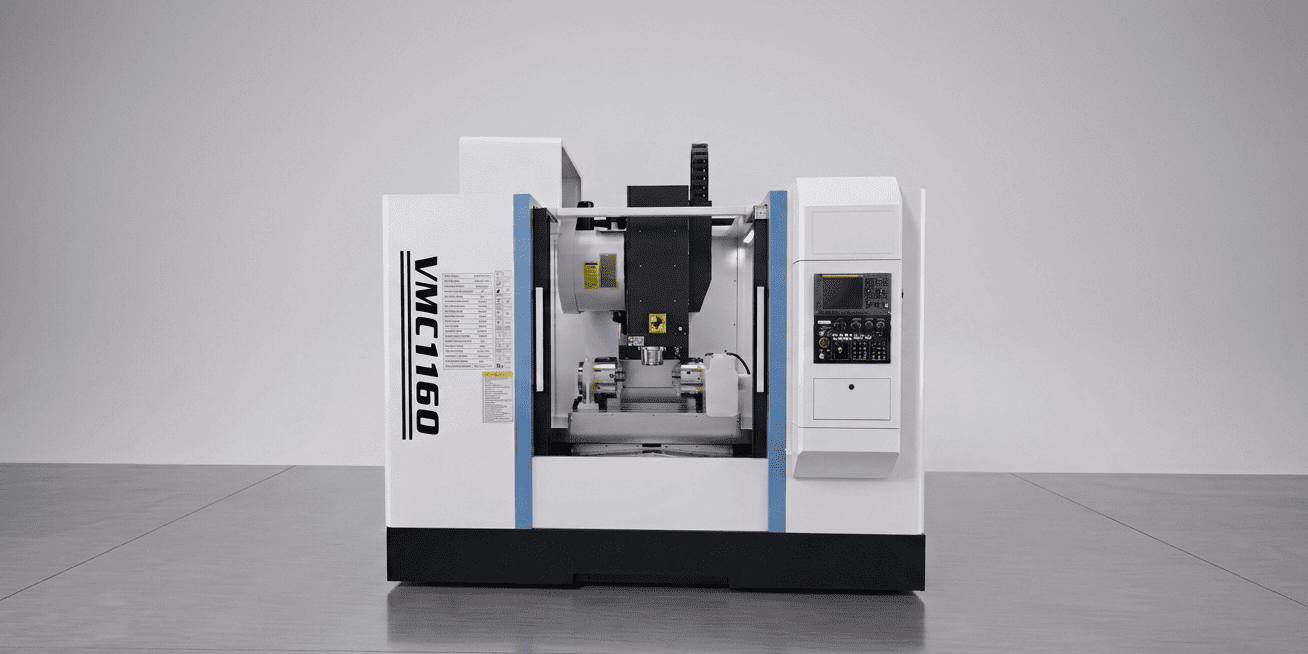
Choosing a machine of this size is a significant decision. It’s not just about buying a machine; it’s about finding a partner who understands your needs. Let’s explore the key considerations together to help you make a choice that will benefit your business in the long run.
What Key Specifications Define a High-Quality VMC1160?
Are you overwhelmed by lengthy technical specifications? Choosing the wrong components can lead to poor performance and ongoing maintenance problems. Let’s cut through the fog and get to the point.
Focus on the BT40/BT50 spindle (8000-12000 rpm), high-precision C3-grade ball screw, linear guides, and robust cast iron body. These three components are the cornerstone of the VMC1160 reliable and precise machining center. Superior quality means higher surface finish and longer tool life.
Let’s dive deeper into the core parts of the machine. These are the non-negotiables for me when I build a machine for a client. Think of it like building a house, you need a solid foundation before you worry about the paint color.
Spindle
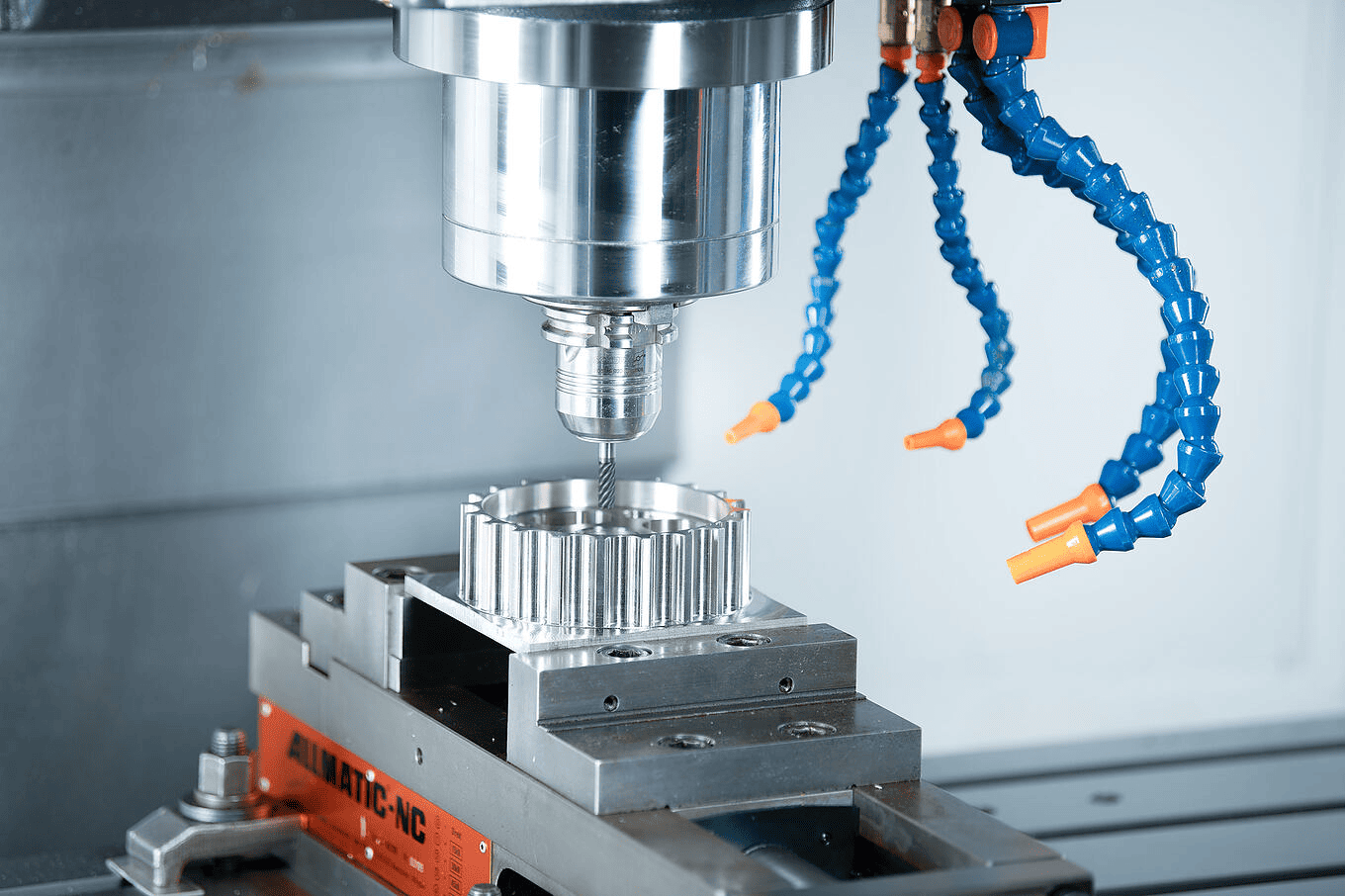
The spindle is what does the actual cutting. For a VMC1160, a BT40 taper is standard. The main choice you have is the speed, or RPM.
The spindle is responsible for the actual cutting. For the VMC1160, the standard configuration is a BT40 taper. The main parameter you need to select is the spindle speed, or RPM (revolutions per minute).
•8,000 RPM: A great all-around choice. It’s perfect for roughing and general-purpose machining of steel and other common metals.
•10,000 – 12,000 RPM: Better for finishing operations and working with aluminum. A higher RPM can give you a much better surface finish.
Different connection methods can be selected depending on the spindle speed. Spindles with a speed of 8000rpm are usually belt-driven, while those with a speed of 10000rpm-12000rpm typically use direct-drive spindles.
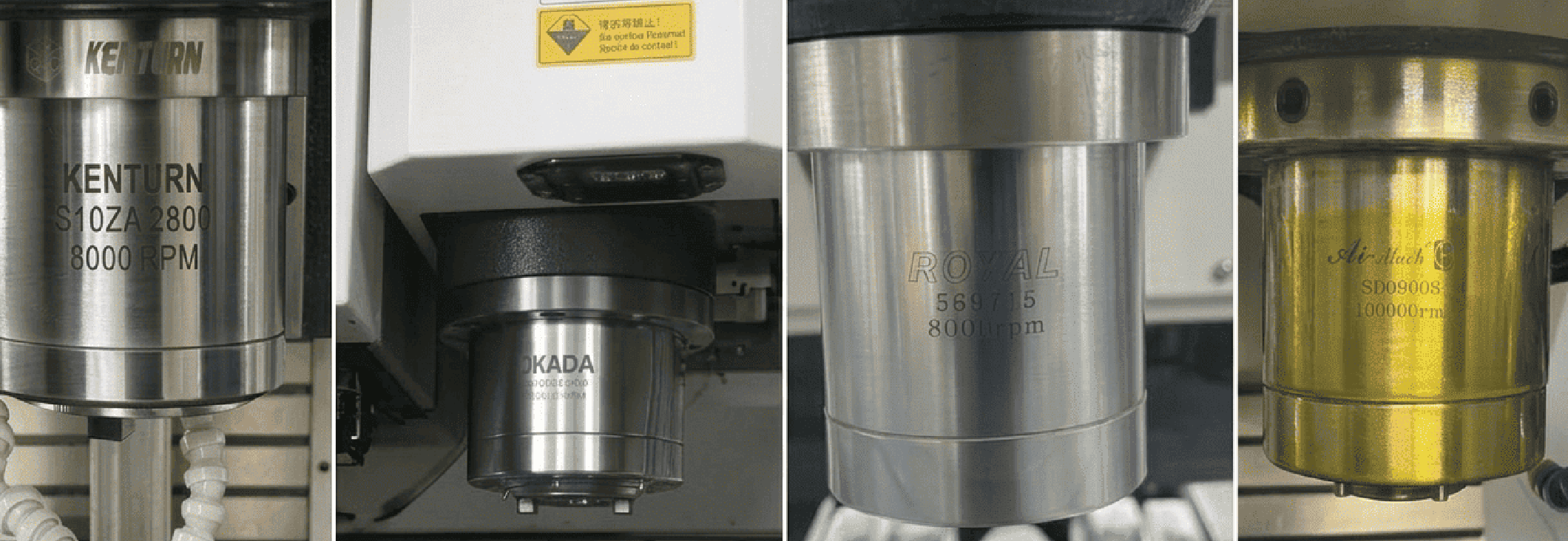
The mainstream brands for mid-to-high-end vertical machining centers (VMC) currently include: OKADA/AIMACH/Royal/ Kenturn, all offering outstanding value for money.
Screw & Linear guides
In the world of vertical machining centers (VMC), if the spindle is the machine’s “heart”and the control system is its “brain”, then ball screws and linear guides are its “skeleton and muscles” . They determine the machine tool’s precision, speed, stability, and service life.
1. Ball Screw: The Precision Translator
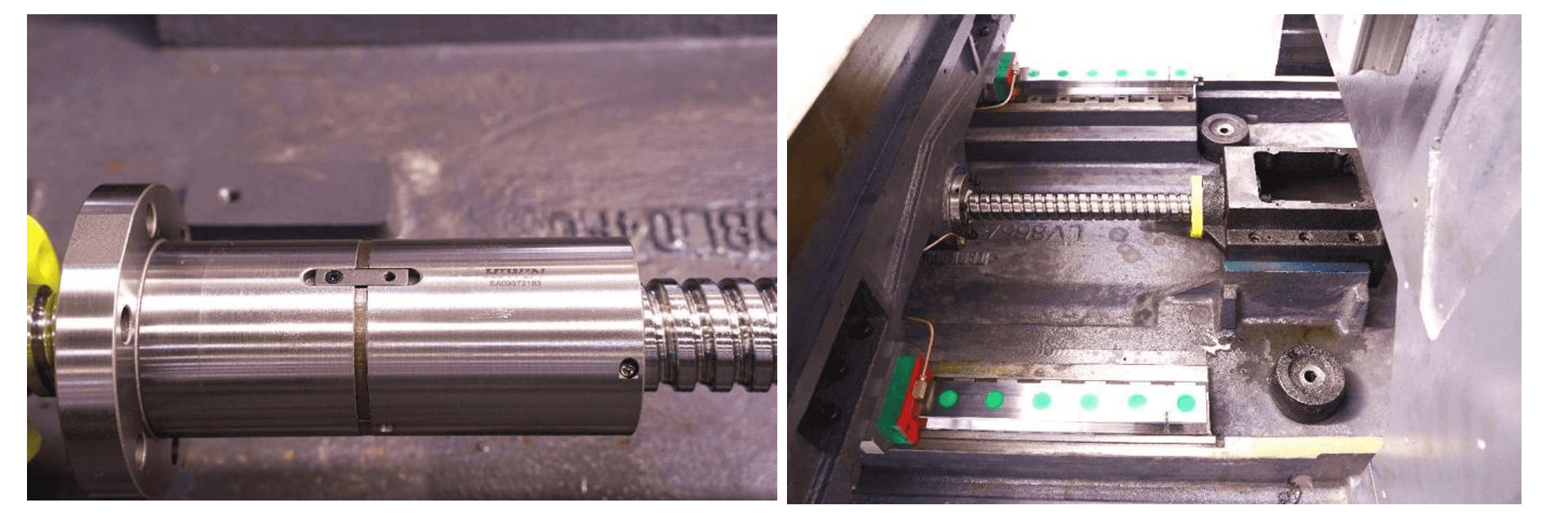
The function of a ball screw is to efficiently convert the rotational motion of a servo motor into linear motion for the worktable or spindle head.
Why is it crucial?
Positioning Accuracy and Repeatability: The precision grade of the ball screw (e.g., C3, C5) directly determines whether a machine tool can achieve dimensions meeting drawing specifications. Backlash or thermal deformation in the ball screw leads to dimensional deviations in machined parts.
Transmission Efficiency: Ball screws achieve efficiency exceeding 90%. This enables them to transmit substantial thrust with minimal resistance, ensuring machine stability during high-load cutting operations.
Preload and Rigidity: Preload technology eliminates backlash and enhances axial rigidity, preventing vibration during high-speed reciprocating motion.
2. Linear Guides: The “Track Experts” for High-Speed Motion
Linear guides (rolling guides) support and guide moving components through the continuous rolling of balls or rollers within guide grooves.
Their core value lies in:
Response Speed: Compared to traditional hard rails (sliding guides), linear guides feature an extremely low coefficient of friction. This significantly increases machine tool rapid traverse speeds and cutting feed rates. In modern mold and part machining, this directly translates to efficiency.
High Precision Retention: Minimal friction results in negligible wear, allowing linear guides to maintain factory-level geometric accuracy for extended periods and reducing maintenance frequency.
Smoothness: Linear guides substantially eliminate sticking phenomena, ensuring smoothness during micron-level feeds and thereby enhancing part surface finish.
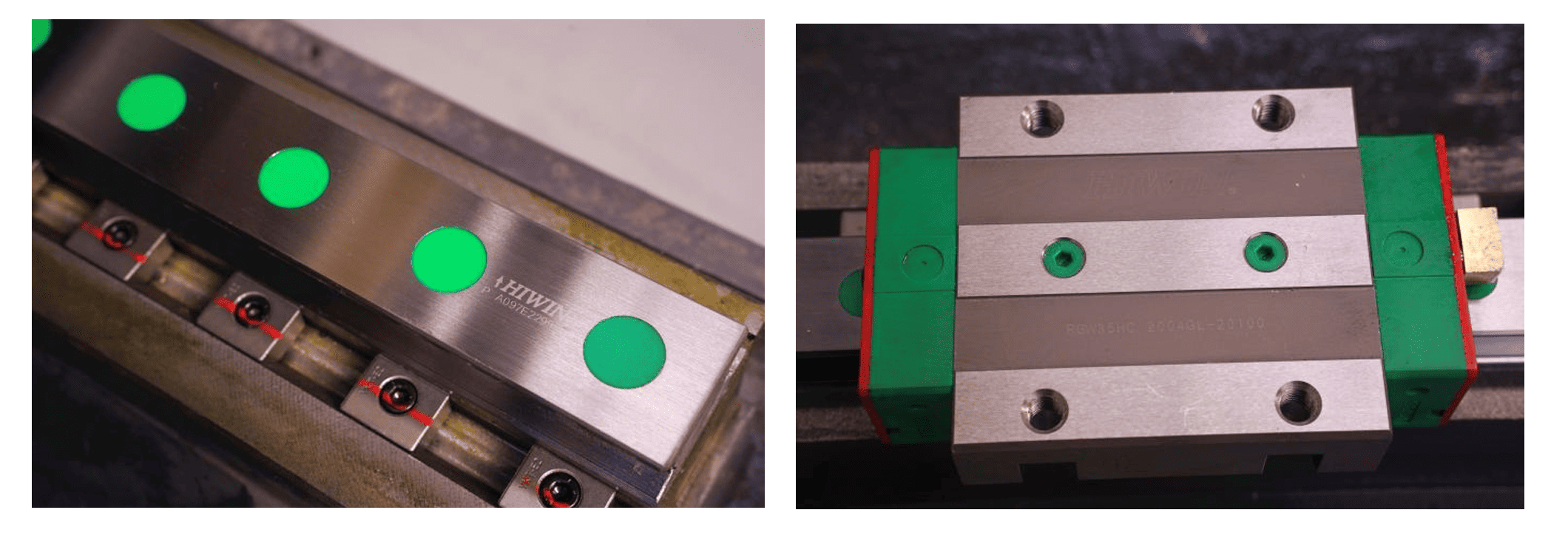
YOUKA-CNC offers two models: one with two guideways and one with four guideways along the Y-axis. Given the current intense competition in the VMC1160 market, models with four guideways along the Y-axis are rarely produced. However, for actual machining operations, the advantages of the four-guideway Y-axis—such as stability and vibration resistance—are particularly notable.
3. Their Collaborative Role in Vertical Machining Centers
In vertical machining centers (VMC), ball screws and linear guides typically appear in pairs.. Their significance can be measured across three dimensions:
A. Determining the Machine Tool’s “Grade”
Heavy-duty VMC: Often utilize roller linear guides (large contact area, high rigidity) paired with large-diameter ball screws, suitable for rough machining.
High-precision, high-speed VMCs: Employ ball linear guides to achieve extreme acceleration and responsiveness, suitable for 3C electronics or small mold machining.
B. Determining Machine Tool “Lifespan”
The lubrication condition and protection rating of ball screws and linear guides directly dictate the residual accuracy of the machine tool after 5-10 years. Damage to either component causes a precipitous decline in the entire machine’s performance.
C. Cost Weighting
Within the total hardware cost, high-quality ball screws and linear guides (from brands like THK, HIWIN, or PMI) constitute a significant proportion. They represent the core drivers of a machine tool’s “premium value” and “quality assurance.”
Translated with DeepL.com (free version)
Castings
The machine’s main body is made of cast iron, forming its skeleton. A fragile frame would vibrate during heavy cutting, affecting not only accuracy but also accelerating tool wear. We use high-quality HT300 cast iron and allow it to age naturally for several months. This process releases internal stresses in the metal, ensuring the frame maintains extremely high stability throughout its lifespan. A stable frame is the first step towards achieving consistently precise machining.
• Core Component Comparison
|
Component |
Standard Option (Good for General Use) | Performance Upgrade (For High-Speed/Precision) |
Why It Matters |
|
Spindle |
8,000 RPM Belt-Drive |
10000/12,000 RPM Direct-Drive |
Higher RPM gives better finishes, especially on aluminum. |
|
Guideways |
Linear Guideways |
Roller Guideways |
Roller types offer more rigidity for heavy-duty cutting operations. |
|
Controller |
GSK / SYNTEC |
FANUC / Siemens/Mitsubishi |
Choose based on your team’s experience and specific feature needs. |
This table shows how small changes in configuration can impact your machine’s performance. At YOUKA-CNC, we discuss these options with you to match the machine exactly to the jobs you run.
How Can You Verify the Quality and Precision Before Buying?
Worried that the machine delivered won’t match its promised quality? It’s a common fear, especially when buying from overseas. You need a way to ensure you get exactly what you pay for.
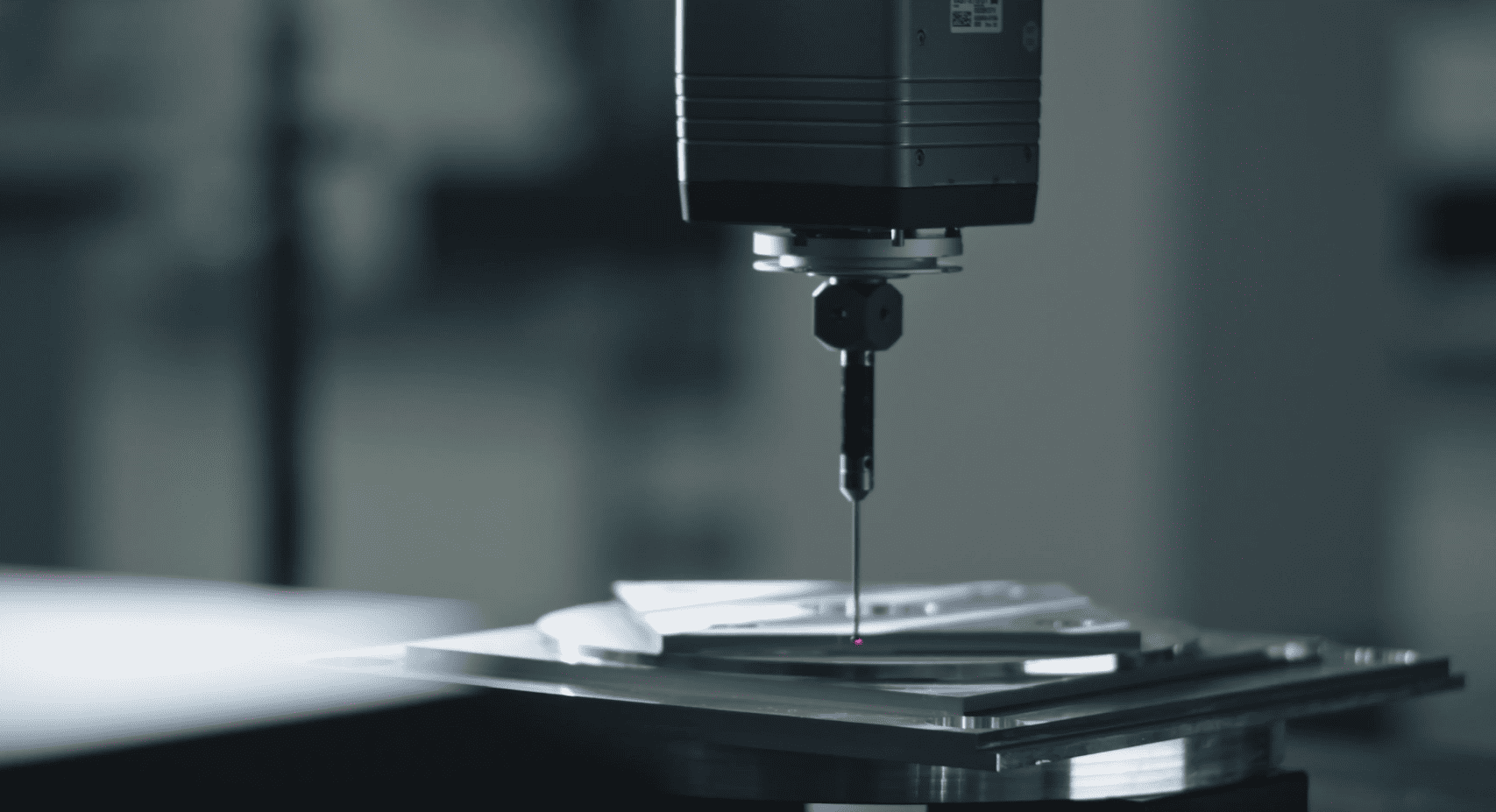
The best way to verify quality is to demand a detailed pre-shipment inspection report with photos and videos. This report should include results from a laser interferometer for positioning accuracy and a ballbar test for circular interpolation accuracy. These tests prove the machine meets precision standards.
Talk is cheap. Any supplier can say their machines are high-quality. We believe in proving it. For every machine we build, we perform a series of rigorous tests. This isn’t just a final check; it’s a comprehensive process that ensures the machine is perfect before it leaves my factory. I treat every machine as if I were going to use it in my own shop.
YOUKA-CNC 5-Step Quality Assurance Process
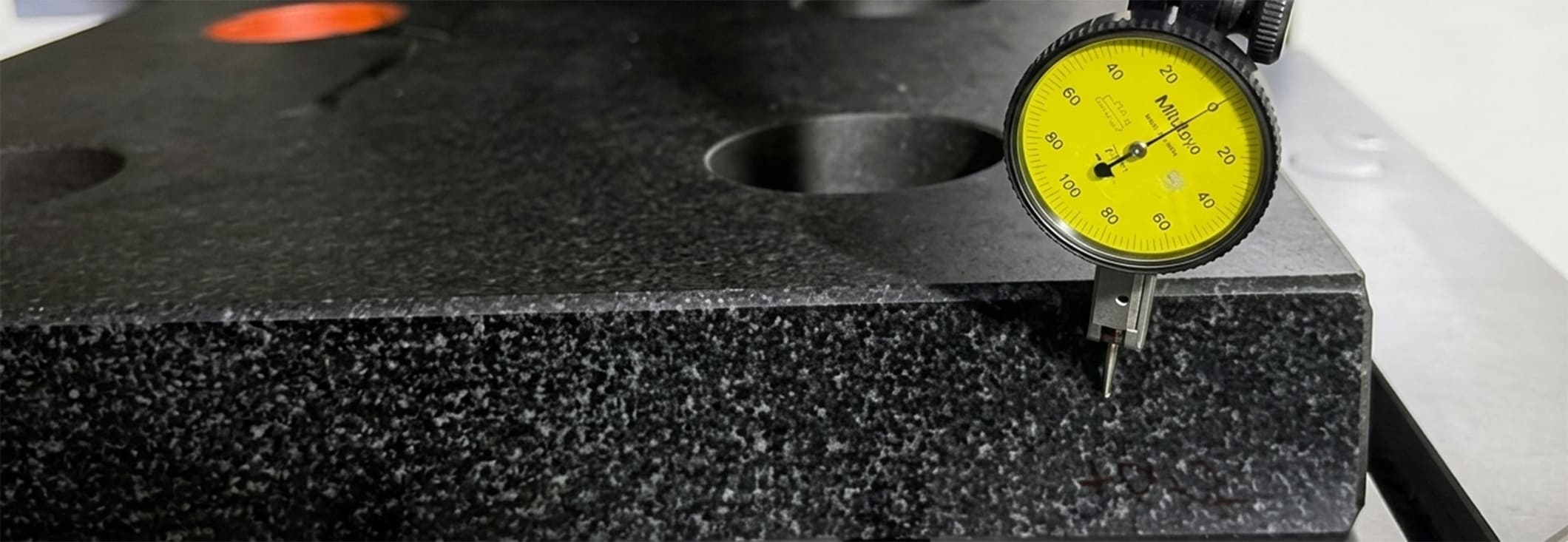
1. Mechanical & Geometric Precision
We start with the basics. We use precision instruments to check that the machine bed is perfectly level, the column is perpendicular to the table, and all axes are straight and true. If the foundation is off, nothing else matters.
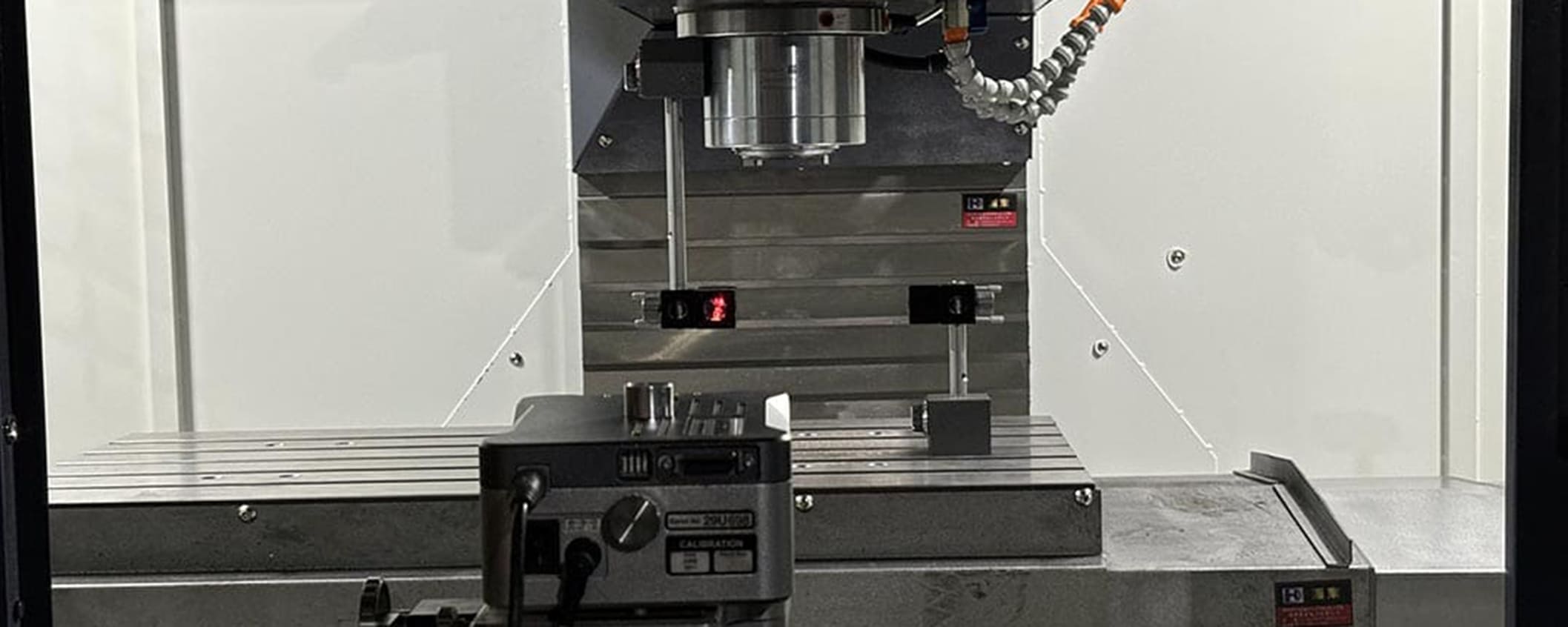
2. Laser Interferometer Test
This is the gold standard for accuracy. A laser measures the positioning accuracy of each axis (X, Y, and Z) down to the micron level. We test the full travel of each axis to ensure accuracy is consistent everywhere on the worktable.
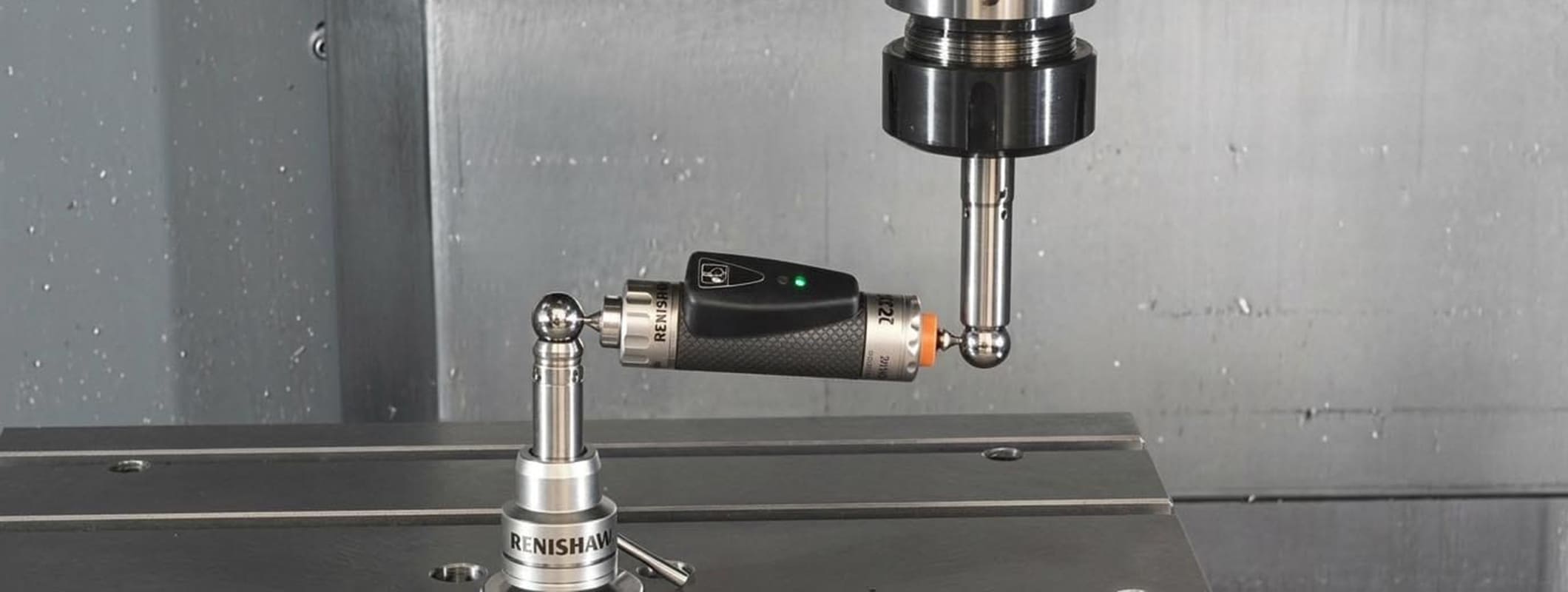
3. Ballbar Test
This test checks the machine’s ability to move in a perfect circle. It reveals any issues with backlash, servo mismatch, or structural flex. A good ballbar result means you can machine smooth, accurate curves and contours.
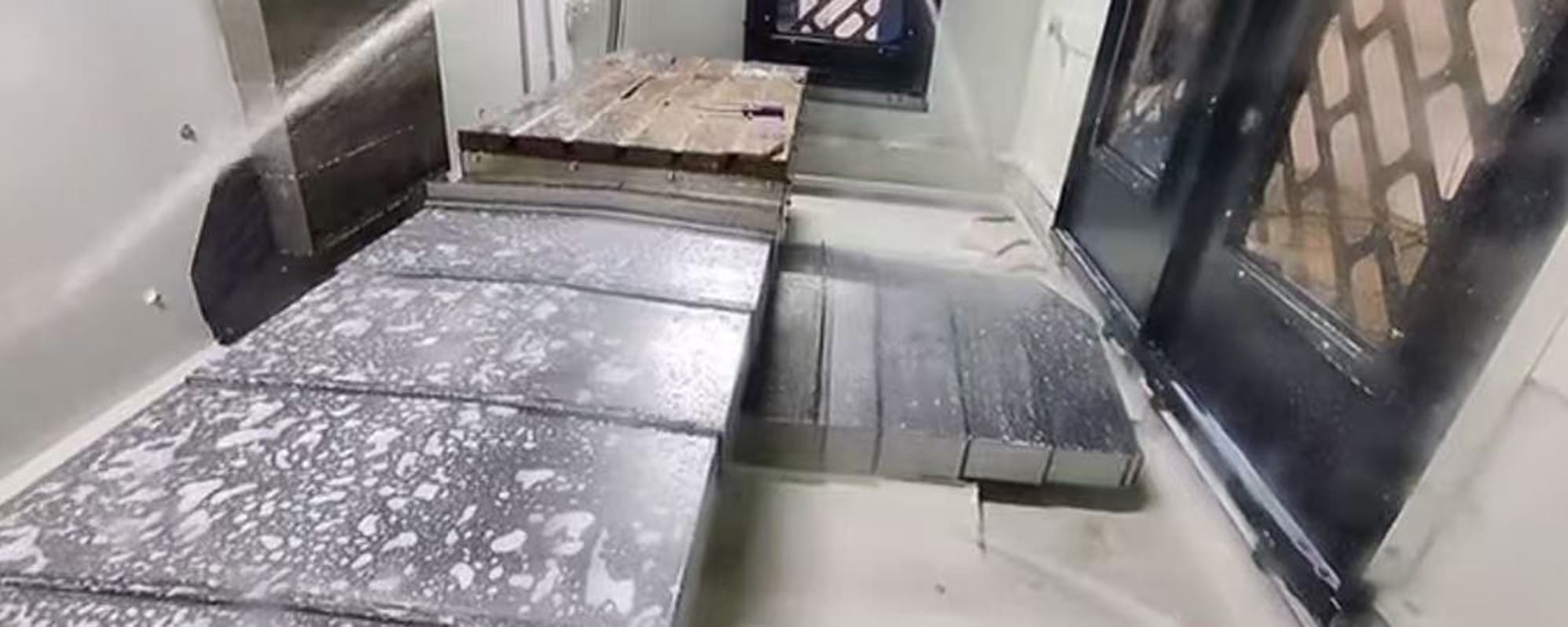
4. Leak and Electrical Testing
We run the coolant system at full pressure to check for any leaks in the lines or enclosure. We also test every electrical component to ensure safety and reliability. A small leak or bad connection can shut down production.
5. Continuous Performance Test
Finally, we run the machine continuously for 24-48 hours. We cycle the spindle, tool changer, and all axes through a simulated work program. This final endurance test catches any issues that might only appear after the machine has warmed up and been running for a while.
We document this entire process with reports and videos, and we send it all to you before shipment. You see the proof of your machine’s quality before it even leaves our facility. This is how we build trust and ensure you have zero surprises.
How Does Price Relate to Value in a VMC1160?
Is the cheapest machine the best deal, or is it a trap? It’s tempting to choose the lowest price, but that can lead to high long-term costs. Let’s clarify how to get real value.
The best value comes from a balance of a competitive price, reliable components, and strong after-sales support. A cheap machine with poor support will cost you more in downtime and repairs than you initially saved. True value is a reliable machine that makes you money.
I’ve seen many buyers fall into the “lowest price” trap. A machine that is 10-20% cheaper might seem like a great deal, but it often comes with hidden costs. These can be lower-grade components that wear out fast, a lack of quality control, or non-existent support when something goes wrong. Every hour that machine is down costs you money and hurts your reputation with your customers.
At YOUKA-CNC, we focus on cost management, not cost-cutting. Here’s the difference:
Smart Cost Management vs Cheap Cost Cutting
• Sourcing Components
Instead of buying the cheapest bearings or ball screws, we have long-term relationships with trusted brands like HIWIN/PMI from Taiwan. Buying in volume gives us better prices on high-quality parts, and we pass those savings to you. A cheap manufacturer will use no-name components that fail quickly.
• Efficient Production
Our factory layout and assembly processes are highly optimized. We’ve spent years refining how we build machines. This reduces wasted time and labor, which lowers our overhead. This efficiency allows us to put more value into the machine itself for the same price.
• Customization
We don’t force you to pay for features you don’t need. We start with a solid base model and then help you choose the right options, like the spindle speed, controller, or a 4th-axis rotary table. You pay for what you need to do your job effectively.
The price you pay should not just be for a piece of equipment. It should be an investment in a productive asset. Our goal is to offer a machine that gives you the lowest total cost of ownership. That means fewer repairs, less downtime, and a partner you can call when you need help. That’s real value.
Conclusion
Finding the right VMC1160 means looking beyond the price tag. Focus on key specifications, demand proof of quality, and choose a partner who offers real value and reliable support.